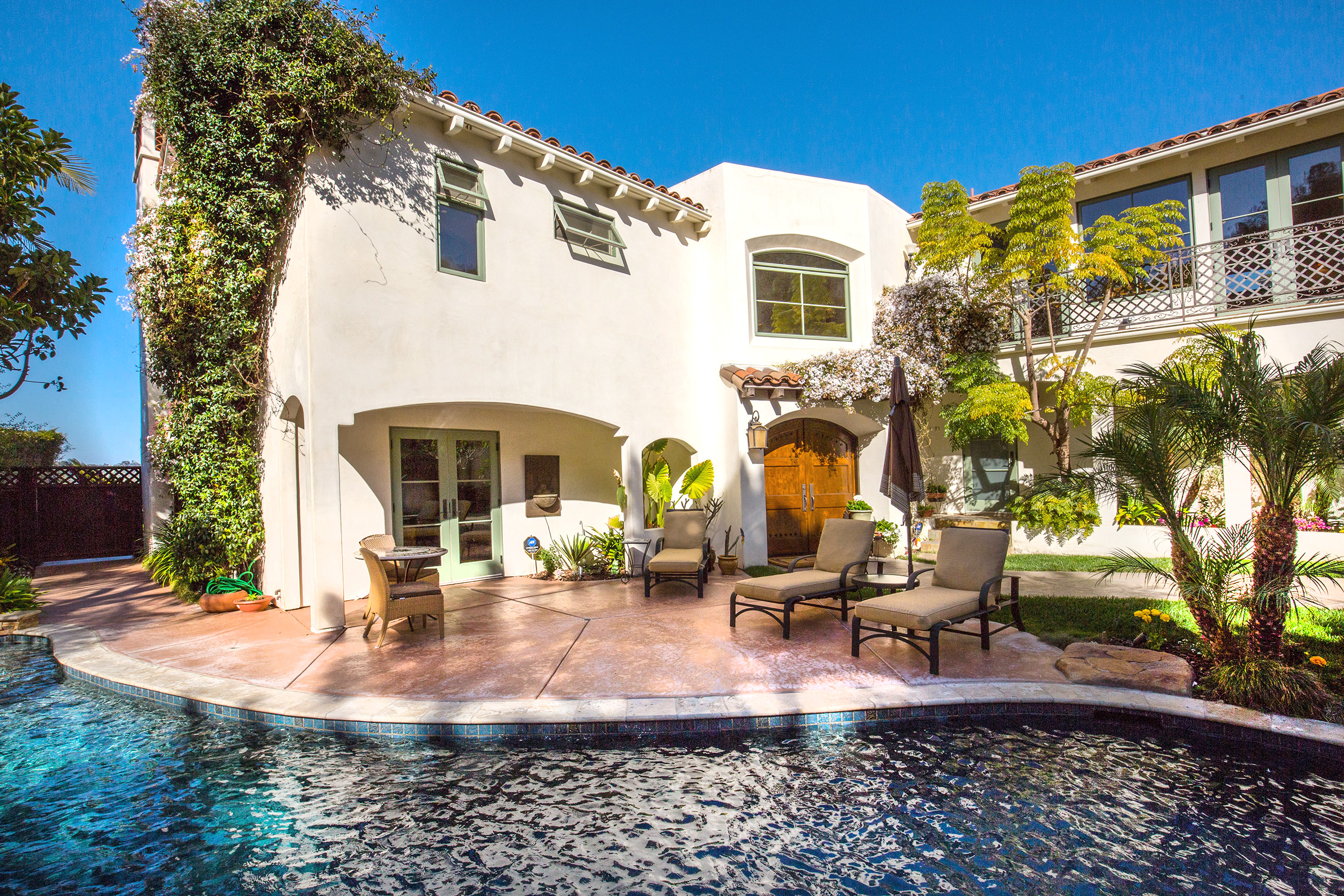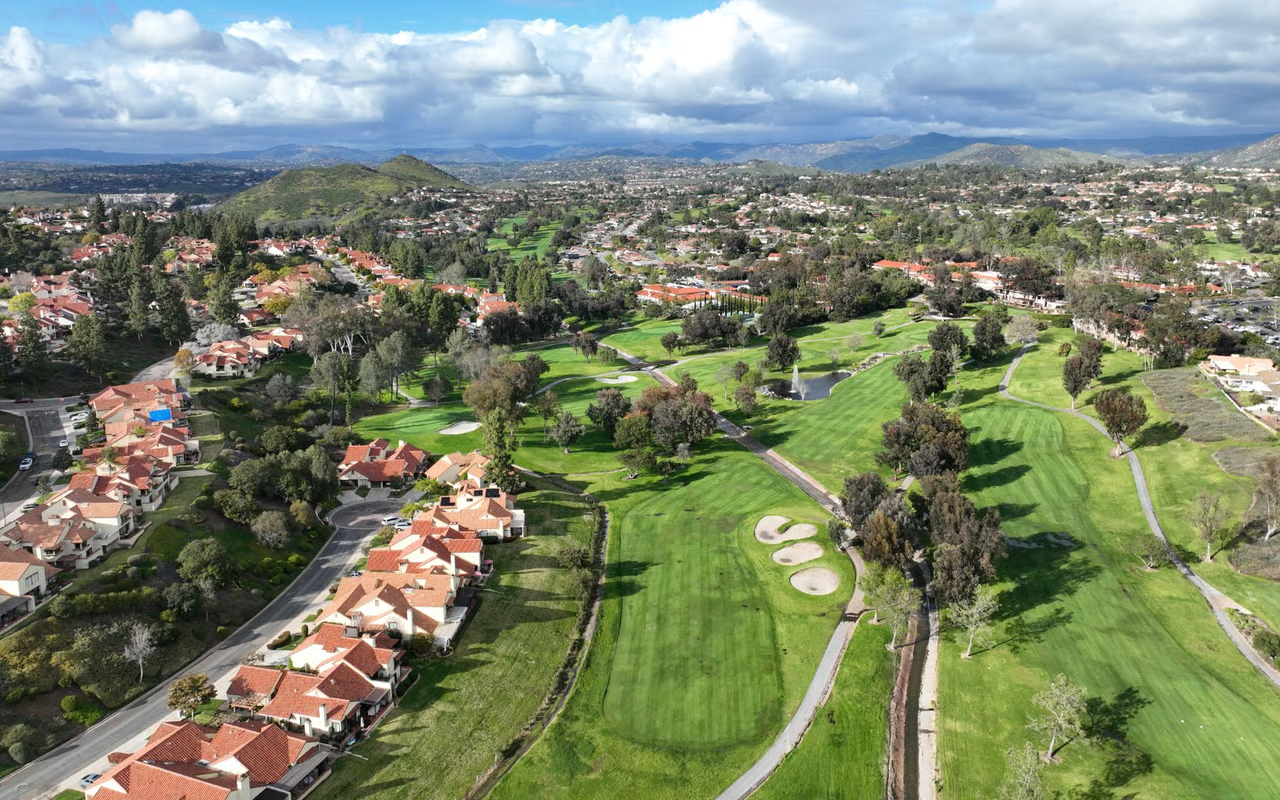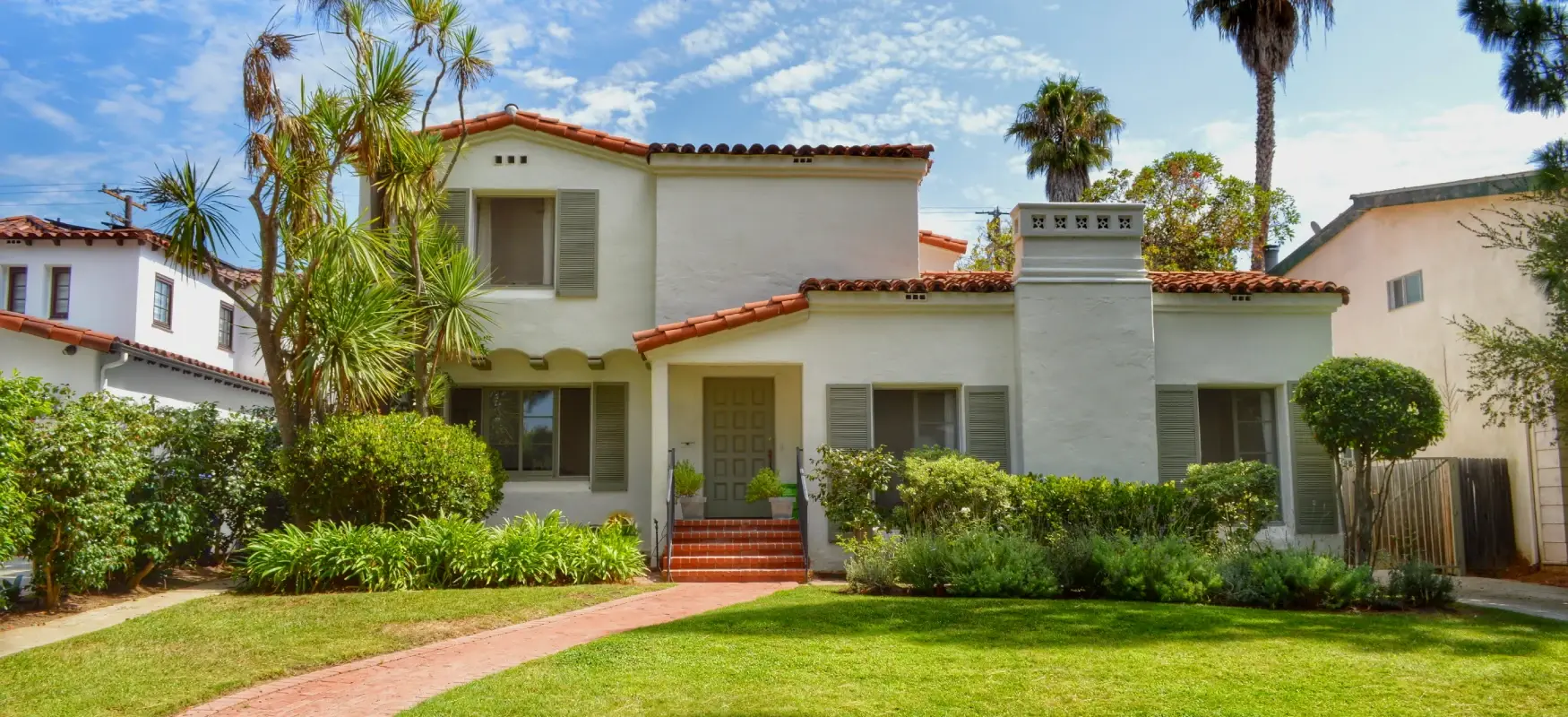

Two homes, both listed at $950,000, both in North County, twenty minutes apart. One costs several hundred dollars a month more to own than the other, and nothing about the listing photos will tell you which. This is the part of San Diego buying that catches people, and it is entirely knowable in advance.
Mello-Roos, in plain English
When a newer neighborhood gets built, somebody has to pay for the roads, the sewers, the parks, and often the schools that serve it. Rather than charge the whole county, California lets a Community Facilities District be formed under the Mello-Roos Community Facilities Act, and the homes inside that district pay a special tax on their property tax bill to retire the bonds that funded the infrastructure.
That is why it shows up so heavily in master-planned areas built from the 1980s onward. In San Diego County, that means places like 4S Ranch, Del Sur, Santaluz, Torrey Highlands, and newer pockets of Chula Vista and Otay Ranch. An older Rancho Bernardo or Rancho Peñasquitos home built well before the district existed usually has none at all.
Two things worth knowing. First, it is a fixed special tax, not a percentage of value — so it does not fall just because the market does, and it is not capped the way Proposition 13 caps the base rate. Second, it has an end date. The bonds have a term, often a few decades from the district's formation, and the tax comes off the bill when they are retired. A district that is eight years from paying off is a very different proposition from one that is twenty-five years out, and that information is public.
A special tax is not a reason to walk away from a neighborhood. Not knowing what it is, or how long it runs, is a reason to walk away from an offer.
HOA dues, and what they are actually buying
The dues themselves are the easy part — they are printed on the listing. What matters is what sits behind them, and that lives in documents you receive during your contingency period:
- The reserve study. This is the single most revealing document in the stack. It states what the association owns, what those things cost to replace, when they are due, and how much money is set aside. An underfunded reserve is a special assessment waiting to happen.
- The budget and dues history. Dues that have climbed steeply for several years running usually keep climbing.
- Meeting minutes. Where you find out about the roof debate, the plumbing problem, or the neighbor dispute before it becomes yours.
- Pending or threatened litigation. Beyond the cost, active construction-defect litigation can affect whether some lenders will finance a unit in the project at all.
- The master policy. What the association's insurance covers, and where your own policy needs to pick up.
On an attached home, this stack matters as much as the inspection. A beautifully remodeled condo in an association with no reserves and a twenty-year-old roof is a worse buy than a plain one that has been run responsibly.