
ARI BHATTACHARJEESan Diego Realtor
Home Buyers Sellers About Blog FAQ Book a Call
First-Time Buyers6 min read

How much do youactually need?

The twenty percent rule is the single most expensive myth in San Diego real estate. Here is what the minimums really are.

The number one reason people in San Diego put off buying is a number they made up. They hear "twenty percent," multiply it against a county where the median sits well into the seven figures, decide the math is impossible, and stop there. It is worth knowing that almost nobody actually buys that way.

The real minimums

Loan programs set their own floors, and they are considerably lower than the number in your head:

  • VA loans — zero down for eligible service members and veterans, with no monthly mortgage insurance. In a military town like San Diego, this is the single most underused benefit there is.
  • FHA loans — 3.5% down with a qualifying credit score. On a $700,000 purchase that is $24,500, not $140,000.
  • Conventional loans — as little as 3% down for many first-time buyers through Fannie Mae and Freddie Mac programs.
  • USDA loans — zero down in designated rural areas, which in San Diego County reaches further inland than most people expect.

California also runs down payment assistance through CalHFA, and several San Diego programs layer on top of it. Eligibility, funding, and terms change, so treat any program you read about online as a starting point to verify rather than a promise.

The question is never "can I get to twenty percent." It is "what does each option cost me every month, and which one do I want to live inside of."

What a smaller down payment actually costs

Putting less down is not free, and any agent who tells you otherwise is selling. Under 20% on a conventional loan, you carry private mortgage insurance until you build enough equity to drop it. On an FHA loan the mortgage insurance premium generally stays for the life of the loan unless you refinance out. A smaller down payment also means a larger balance, which means more interest over the life of the loan.

None of that makes it the wrong choice. It makes it a trade: cash in your pocket now and a home you are living in, against a lower payment later. For a lot of buyers, waiting three years to save the difference while prices and rents move is the more expensive option. For others it genuinely is not. That comparison is the actual conversation.
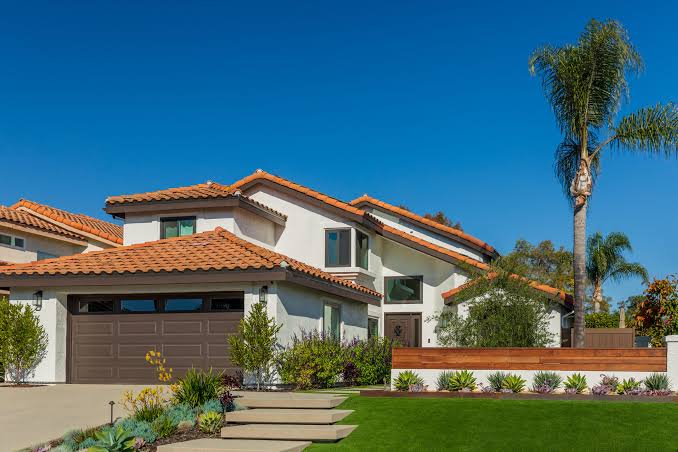

A San Diego home with a tile roof, palm and drought-tolerant front planting
The question is never the purchase price. It is the monthly payment you can carry comfortably, and how much cash it takes to get to the keys.

The number that matters more

Your down payment is not the constraint most buyers actually run into. Closing costs are: lender fees, appraisal, title, escrow, and prepaid taxes and insurance, which together typically land in the low single-digit percentages of the purchase price. Add an inspection and a reserve for the first repair that surprises you, and the true cash-to-close is meaningfully more than the down payment alone.

Some of that is negotiable. In a market where a seller wants certainty, a credit toward closing costs is often easier to win than a price reduction, and it lands in the same place on your side of the ledger.

Where to actually start

  • Talk to a lender before you talk to a house. One conversation replaces months of guessing, and it is free.
  • Ask for more than one scenario. Have the lender price out 3%, 5%, and 10% down side by side so you can see what each does to the payment.
  • Ask what happens if rates move. Both directions. You want to know your plan before you need it.
  • Then set your ceiling. Not the maximum you are approved for — the payment you would still be comfortable with if something in your life changed.

Approval amounts and comfortable payments are two different numbers, and the gap between them is where people get themselves into trouble. Deciding which one you are shopping against, before you tour anything, is most of the work.

General information for San Diego buyers, not lending, tax, or legal advice. Loan program terms, assistance program funding, and eligibility rules change; confirm current details with a licensed lender before making decisions.

Lake Poway in inland San Diego County

Run your own
numbers with me.

Thirty minutes, no obligation, and an honest read on what you can buy today versus what waiting would cost you.

Ari Bhattacharjee
Ari Bhattacharjee
Coldwell Banker West
San Diego, California